
Danial Salman
Welcome! I am a Postdoctoral Scholar in Finance at Vanderbilt University’s Owen Graduate School of Management.
I hold a Ph.D. in Finance from the Foster School of Business at the University of Washington. My research interests are in household finance, labor and finance, innovation, and venture capital.
Email: danial.salman@vanderbilt.edu
Working Papers
End of the Road? Autonomous Vehicles and Displacement Risk
Abstract
New technologies have renewed concerns about job displacement. In this paper, I link workers' subjective displacement expectations to their direct and social exposure to a disruptive technology: autonomous vehicles (AVs). I find that commercial driver licensing and employment in truck driving fall disproportionately in more AV-exposed areas. The remaining drivers extend their work hours and reduce participation in mortgage markets relative to less-exposed, neighboring drivers. Changes in household spending on alcohol and tobacco products are consistent with heightened automation-induced anxiety. The results indicate that perceived displacement risk affects households' labor supply, credit behavior, and health, all of which could inform welfare assessments and policy responses to automation.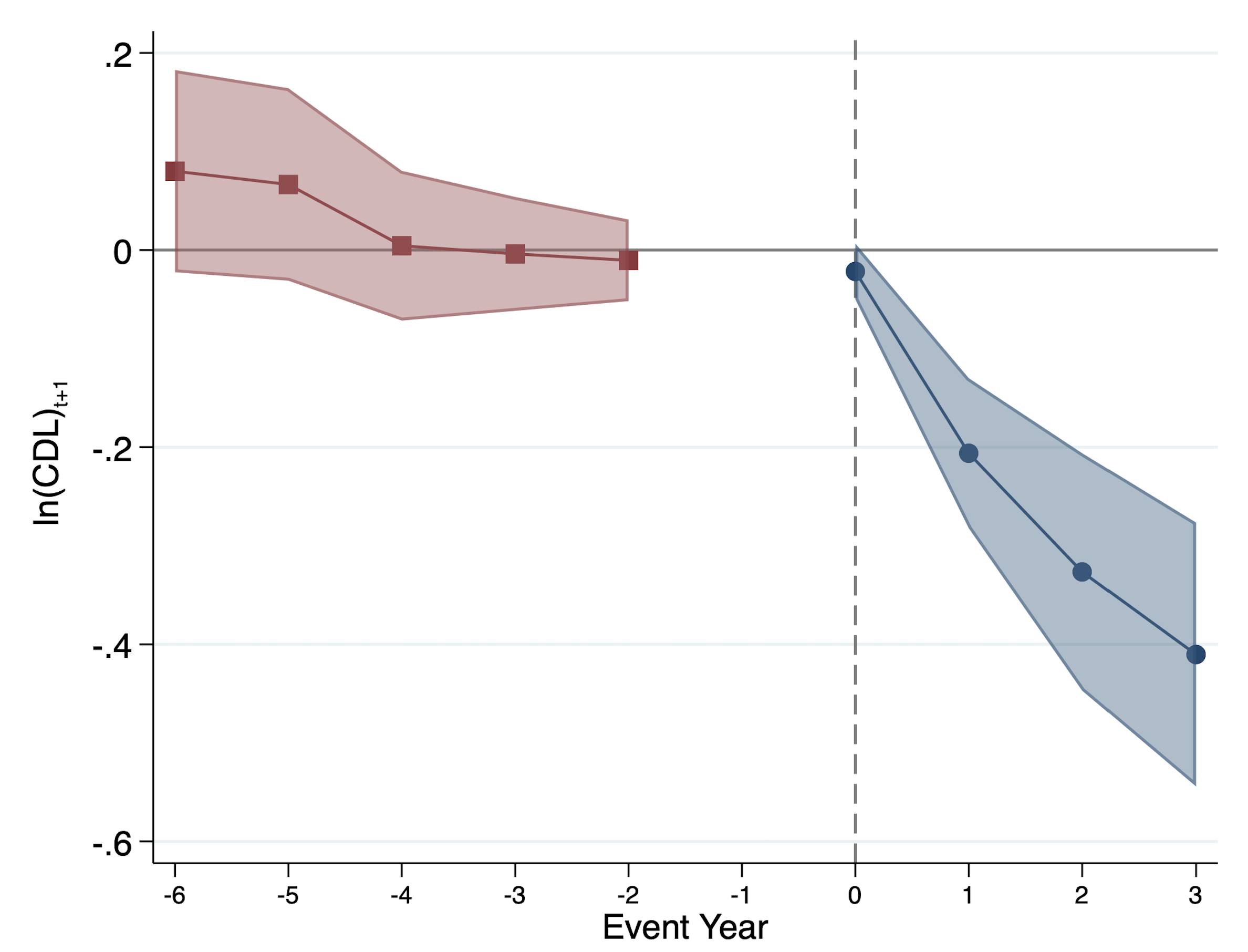
PDF
SSRN
Financial Times
Households respond preemptively to the threat of automation
NBER SI 2026 Digital Economics and Artificial Intelligence, NBER Economics of Transportation Spring 2026, Colorado Finance Summit 2025
Relief Beliefs: Effects of Anticipated Student Loan Forgiveness (with Xuan Xie)
Abstract
We study how households adjust consumption to news about future liabilities. Our setting is President Biden's August 2022 student loan forgiveness announcement, which promised $10,000 to $20,000 in debt relief to approximately 42 million borrowers. Because the announcement occurred during the student loan payment moratorium, it created an uncertain wealth shock without contemporaneously changing required payments. We link administrative data on debt relief eligibility and applications to high-frequency retail scanner data. Stores located in counties with a 1 percentage point higher share of eligible borrowers experienced a persistent 0.1% increase in weekly sales following the announcement. This response was absent in counties with high pre-announcement delinquency rates, consistent with delinquent borrowers being liquidity constrained and unable to smooth consumption. Sales subsequently declined in more-exposed counties when the Supreme Court blocked the plan. Together with widespread debt relief applications, the spending responses show that beliefs about ultimately unrealized debt relief affected households' behavior.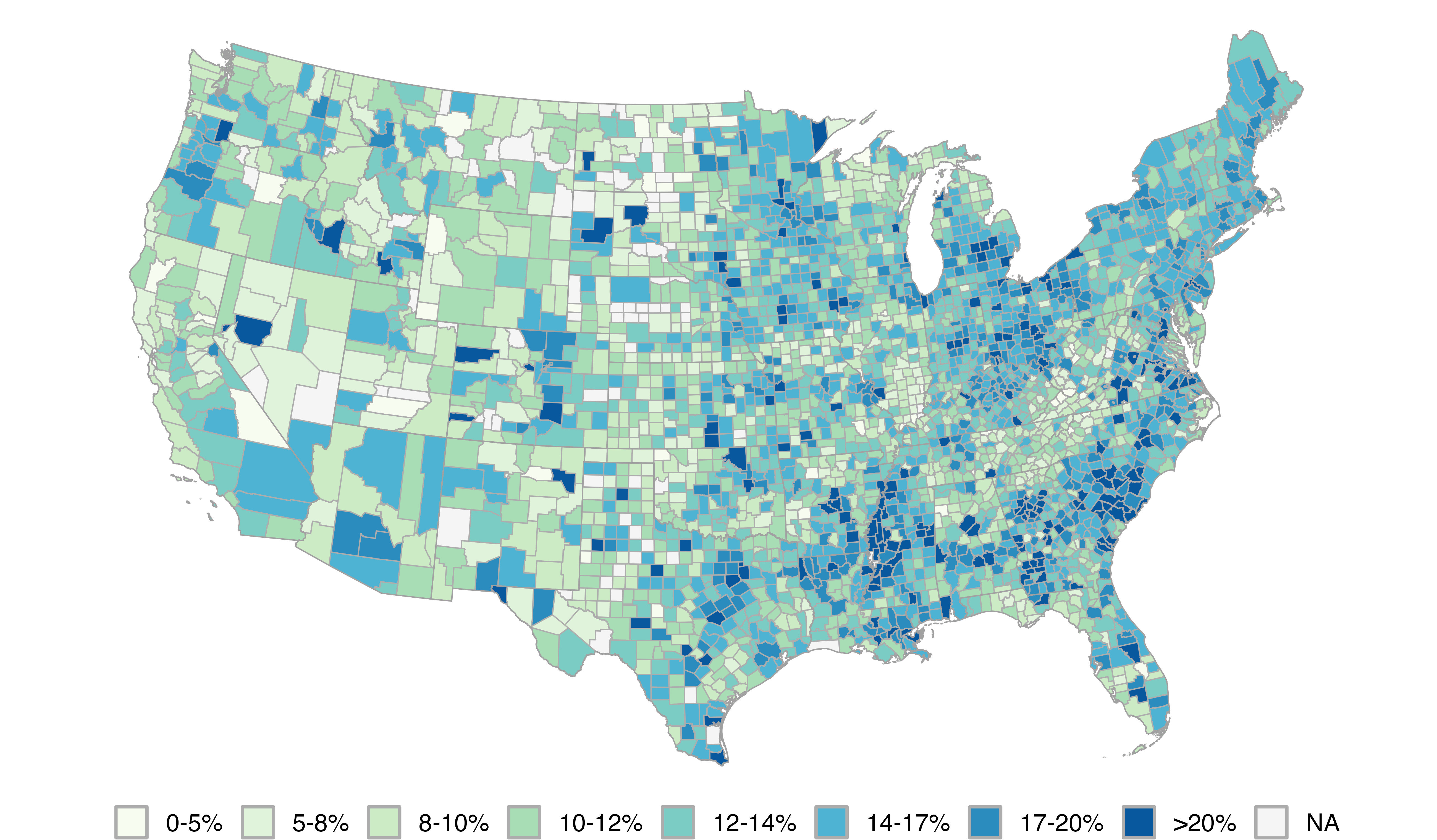
Work in Progress
Who Benefits from Venture Capital? (with Victor Lyonnet and Léa Stern)